Stillness in the Middle of Life
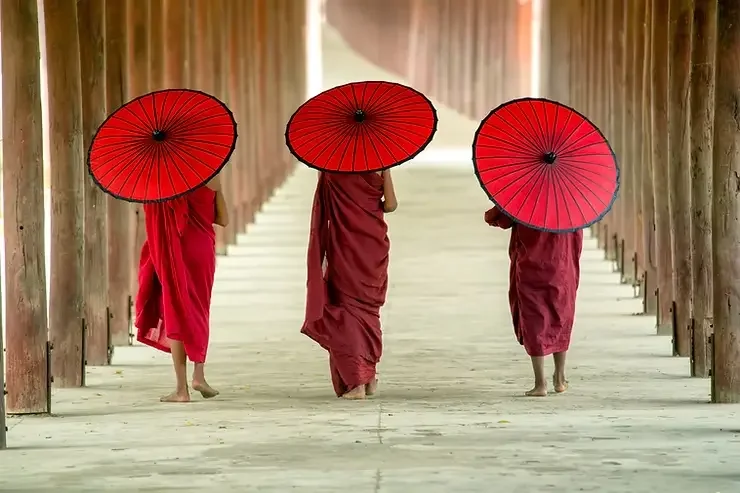

Why meditation matters, and why your thoughts are not the distraction
Life is loud.
Not just in obvious ways, traffic, notifications, conversations, endless tasks, but in the quieter ones too. The mental noise. The background hum of planning, worrying, replaying, anticipating.
Many people assume that meditation is about escaping this noise. About silencing the mind. About reaching some ideal state of calm where thoughts finally stop.
But that assumption is precisely what keeps many people from meditating at all.
Meditation is not about stopping thoughts
It’s about changing your relationship with them.
In some of the oldest contemplative traditions, including mindfulness practices rooted in Buddhism, thoughts are not treated as interruptions. They are treated as objects of awareness, just like the breath, bodily sensations, or sounds.
A thought arises.You notice it.You get curious.And you gently return to your anchor.
Nothing has gone wrong.
This is a crucial shift. When we stop judging our meditation by how “quiet” the mind is, we remove the pressure to perform. Meditation becomes less about achievement and more about presence.
Curiosity instead of control
The approach I follow and teach is grounded in curiosity.
Curiosity sounds simple, but it’s deeply transformative. Instead of fighting what appears in the mind, we ask:
What is here right now?
How does this thought feel in the body?
Can I notice it without being pulled into it?
This attitude changes everything. Thoughts lose their grip not because we suppress them, but because we stop feeding them with resistance.
Ironically, the moment we stop trying to control the mind is often the moment it begins to settle.
Why daily practice matters
Meditation is not just something we do on a cushion. It’s something that gradually reshapes how we live.
A few minutes a day even ten practiced consistently can:
Increase emotional regulation
Reduce reactivity and stress
Improve clarity and focus
Support nervous system balance
Create more space between stimulus and response
Over time, this awareness spills into daily life. You begin to notice thoughts before they spiral. You catch yourself sooner. You respond rather than react.
Meditation becomes a form of mental hygiene not a luxury, but a basic act of care.
Stillness is not elsewhere
Many people travel far physically or mentally searching for stillness. But stillness is not the absence of movement or noise. It’s the capacity to remain present within them.
You don’t need a monastery, a retreat, or perfect conditions. You need willingness. A breath. And the courage to meet your inner experience as it is.
Stillness is not something you achieve.It’s something you remember.
And every time you sit down, notice your breath, and welcome whatever arises with curiosity, you’re already practicing it.
Bringing stillness into everyday life
Meditation doesn’t end when you open your eyes. The real practice begins in how you meet your thoughts, emotions, and moments throughout the day with the same curiosity you cultivate on the cushion.
This is the approach I share in my sessions: not a technique to master, but a way of relating differently to your inner experience, so that awareness becomes something you can return to again and again, in real life.
If you’re drawn to exploring meditation as a lived practice one that welcomes thoughts rather than resists them, and supports a more grounded, joyful presence I offer individual and small-group sessions to help you integrate this curious approach into your daily life.